
Data Engineer
Storm4 have an extensive portfolio of experienced Data Engineers who strive to promote data excellence within the business and customer base
Storm4 partners with experienced Data Engineers who build the foundations behind high-performing CleanTech platforms. These are engineers who don’t just move data. They make it reliable, resilient, and ready for growth.
Whether you’re hiring a Data Engineer to strengthen your data infrastructure or you’re an engineer ready for your next CleanTech challenge, Storm4 connects innovative Energy, Infrastructure, and Mobility companies with talent that turns data into advantage.
These professionals bring world-class technical expertise, enabling organizations to unlock the value of data transforming early-stage startups into global CleanTech leaders through robust, scalable, and reliable data platforms.
A Data Engineer is responsible for designing, building, and maintaining the data infrastructure that allows organizations to collect, process, and analyze large volumes of data efficiently.
Working closely with Data Scientists, Product Teams, Analytics, and Engineering, Data Engineers ensure that raw data is transformed into high-quality, accessible, and reliable datasets that support decision-making across the business.
In Energy & Infrastrastructure environments such as grid optimization platforms, EV charging networks, and energy storage analytics, Data Engineers play a critical role in managing real-time data streams, optimizing performance, and ensuring systems can scale as adoption increases.
A successful Data Engineer combines strong software engineering fundamentals with deep data expertise, aligning all technical work with business objectives and sustainability outcomes.
Data Engineers require a strong foundation in software development, data systems, and cloud infrastructure.
Energy & Infrastructure organizations typically seek Data Engineer candidates with:
The Data Engineer role spans mid-level through senior and principal positions, depending on organizational needs and data maturity. In CleanTech organizations, Data Engineers are often central to product performance, operational efficiency, and AI-driven insights.
Data Engineers are among the most in-demand technical professionals in the CleanTech sector, with compensation reflecting their critical role in enabling data-driven innovation.
While salary levels for Data Engineers in the Clean Energy, Infrastructure or eMobility spaces can vary depending on company size, funding stage, and geographic location the average mid-level Data Engineer can expect to receive an annual salary somewhere in the range of $130,000 – $160,000 – Going up to $225,000+ for senior and lead data engineering positions.
If you want to find out the breakdown of Data Engineer salary expectations by sector and location, download our latest US CleanTech Salary Guides for a more in-depth look at salaries.
Data Engineers typically sit within the data, engineering, or platform teams, depending on company structure.
Senior and Principal Data Engineers often influence architectural decisions across the wider organization.
Data Engineers Reports To:
Works Closely With:
Here is an example of how a compelling Data Engineer job advert might look for a CleanTech organization:
📊 Role: Data Engineer
💼 Industry: CleanTech | EV Charging & Energy Analytics
🌎 Location: Remote (U.S.-based)
💰 Salary: $155,000–$185,000 + Bonus + Equity
About the Company:
Our client is a fast-growing CleanTech company building intelligent EV charging and energy optimization platforms. As data volumes scale rapidly, they are seeking a Data Engineer to help design, maintain, and optimize their data infrastructure.
Responsibilities:
Requirements:
📧 To apply: Send your resume to recruiter@cleantech-org.com or click “Apply” to start the conversation.
Hiring a Data Engineer focuses on both technical capability and problem-solving mindset.
A typical hiring process includes:

A well-rounded interview process helps reveal the candidate’s technical skills, strategic awareness, and interpersonal skills.
Technical Questions
Industry-Specific Questions
Problem Solving & Collaboration Questions
Experience & Background Questions




Energy and Infrastructure recruitment and executive search. Part of PP Recruitment Holdings Limited T/A Levin.

RESOURCES
We Understand The Micro Mobility Sector
Discover exceptional talent for your micro mobility business! Our dedicated recruiters have an in-depth grasp of the sector’s nuances and technological demands, allowing us to match you with the right skills and expertise to succeed.
Grow Every Team Across Your Micro Mobility Business
Our vast network includes a range of talent from: Chief Data Officer, Chief Data Scientist, Director of Analytics, Head of Data Science, Senior Business Analyst, Data Engineer, Carbon Analyst.
Our vast network includes a range of talent from: Chief Technology Officer, Vice President of Engineering, Head of DevOps, Senior Java Developer, Senior DevOps Engineer.
Our vast network includes a range of talent from: Director of Battery, Lead IoT Engineer, Lead Mechanical Engineer, Senior Electrical Engineer, Senior Firmware Engineer
Our vast network includes a range of talent from: Chief Financial Officer, Chief Operating Officer, Chief of Staff, VP of Finance, VP of Operations, Head of Finance, Head of Operations, Operations Manager, Finance Manager
Our vast network includes a range of talent from: Chief Product Officer, VP of Product, Director of Product Marketing, Head of Product Design, Senior Product Manager, Senior Product Architect.
Our vast network includes a range of talent from: Chief Commercial Officer, Chief Marketing Officer, VP of Sales, Marketing Director, Head of Business Development, Head of Partnerships.

We Understand The Autonomous Vehicle Industry
Unlock the potential of your autonomous vehicle business! Our specialized recruiters have a deep technical knowledge of your industry, ensuring we connect you with top professionals shaping the future of mobility.
Grow Every Team Across Your Autonomous Vehicle Business
Our vast network includes a range of talent from: Chief Data Officer, Chief Data Scientist, Director of Analytics, Head of Data Science, Senior Business Analyst, Data Engineer, Carbon Analyst.
Our vast network includes a range of talent from: Chief Technology Officer, Vice President of Engineering, Head of DevOps, Senior Java Developer, Senior DevOps Engineer.
Our vast network includes a range of talent from: Director of Battery, Lead IoT Engineer, Lead Mechanical Engineer, Senior Electrical Engineer, Senior Firmware Engineer
Our vast network includes a range of talent from: Chief Financial Officer, Chief Operating Officer, Chief of Staff, VP of Finance, VP of Operations, Head of Finance, Head of Operations, Operations Manager, Finance Manager
Our vast network includes a range of talent from: Chief Product Officer, VP of Product, Director of Product Marketing, Head of Product Design, Senior Product Manager, Senior Product Architect.
Our vast network includes a range of talent from: Chief Commercial Officer, Chief Marketing Officer, VP of Sales, Marketing Director, Head of Business Development, Head of Partnerships.

We Understand The EV Charging Industry
Our EV charging recruiters, excel at recognizing the unique proficiencies essential to driving innovation in the rapidly-evolving EV industry.
Grow Every Team Across Your EV Charging Business
Our vast network includes a range of talent from: Chief Data Officer, Chief Data Scientist, Director of Analytics, Head of Data Science, Senior Business Analyst, Data Engineer, Carbon Analyst.
Our vast network includes a range of talent from: Chief Technology Officer, Vice President of Engineering, Head of DevOps, Senior Java Developer, Senior DevOps Engineer.
Our vast network includes a range of talent from: Director of Battery, Lead IoT Engineer, Lead Mechanical Engineer, Senior Electrical Engineer, Senior Firmware Engineer
Our vast network includes a range of talent from: Chief Financial Officer, Chief Operating Officer, Chief of Staff, VP of Finance, VP of Operations, Head of Finance, Head of Operations, Operations Manager, Finance Manager
Our vast network includes a range of talent from: Chief Product Officer, VP of Product, Director of Product Marketing, Head of Product Design, Senior Product Manager, Senior Product Architect.
Our vast network includes a range of talent from: Chief Commercial Officer, Chief Marketing Officer, VP of Sales, Marketing Director, Head of Business Development, Head of Partnerships.
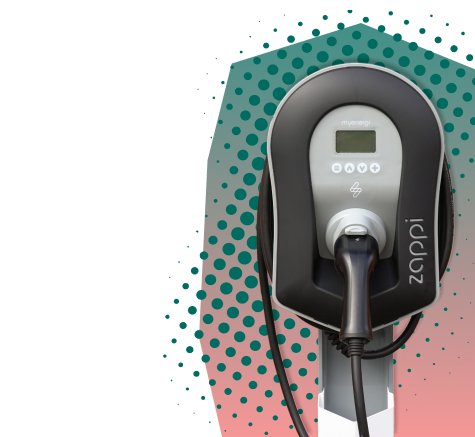
We Understand The EV Industry
Our team of specialist EV recruiters have a thorough and technical grasp of the sector allowing us to uncover the niche skills needed to innovate in the rapidly-evolving EV industry.
Grow Every Team Across Your EV Business
Our vast network includes a range of talent from: Chief Data Officer, Chief Data Scientist, Director of Analytics, Head of Data Science, Senior Business Analyst, Data Engineer, Carbon Analyst.
Our vast network includes a range of talent from: Chief Technology Officer, Vice President of Engineering, Head of DevOps, Senior Java Developer, Senior DevOps Engineer.
Our vast network includes a range of talent from: Director of Battery, Lead IoT Engineer, Lead Mechanical Engineer, Senior Electrical Engineer, Senior Firmware Engineer
Our vast network includes a range of talent from: Chief Financial Officer, Chief Operating Officer, Chief of Staff, VP of Finance, VP of Operations, Head of Finance, Head of Operations, Operations Manager, Finance Manager
Our vast network includes a range of talent from: Chief Product Officer, VP of Product, Director of Product Marketing, Head of Product Design, Senior Product Manager, Senior Product Architect.
Our vast network includes a range of talent from: Chief Commercial Officer, Chief Marketing Officer, VP of Sales, Marketing Director, Head of Business Development, Head of Partnerships.